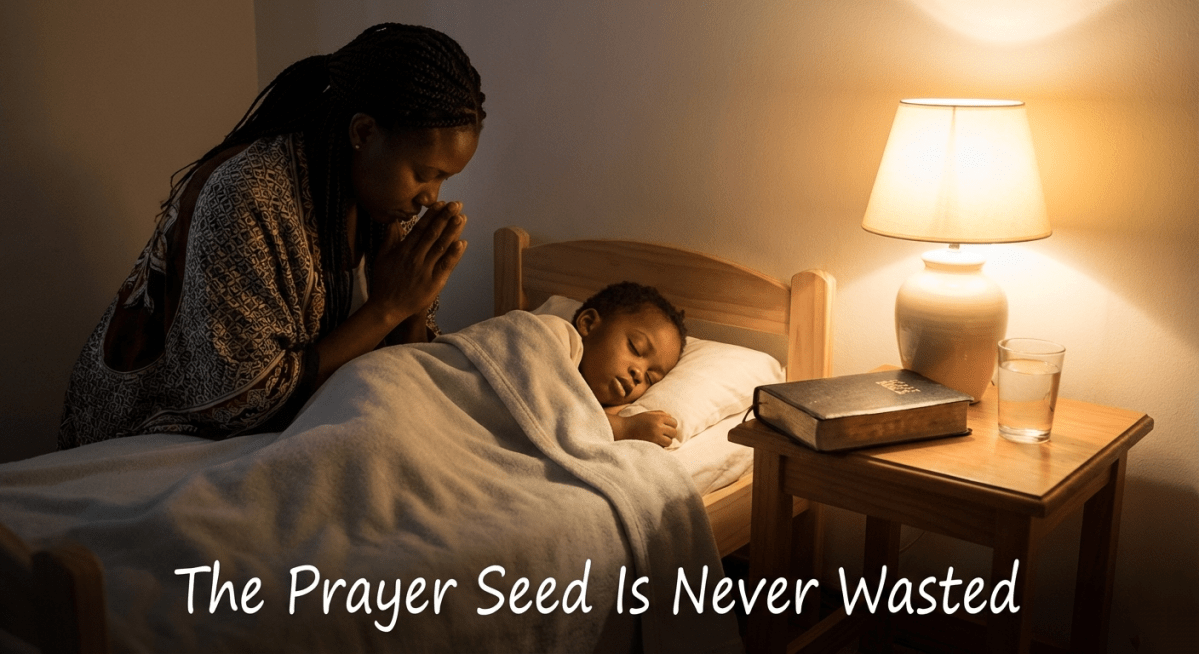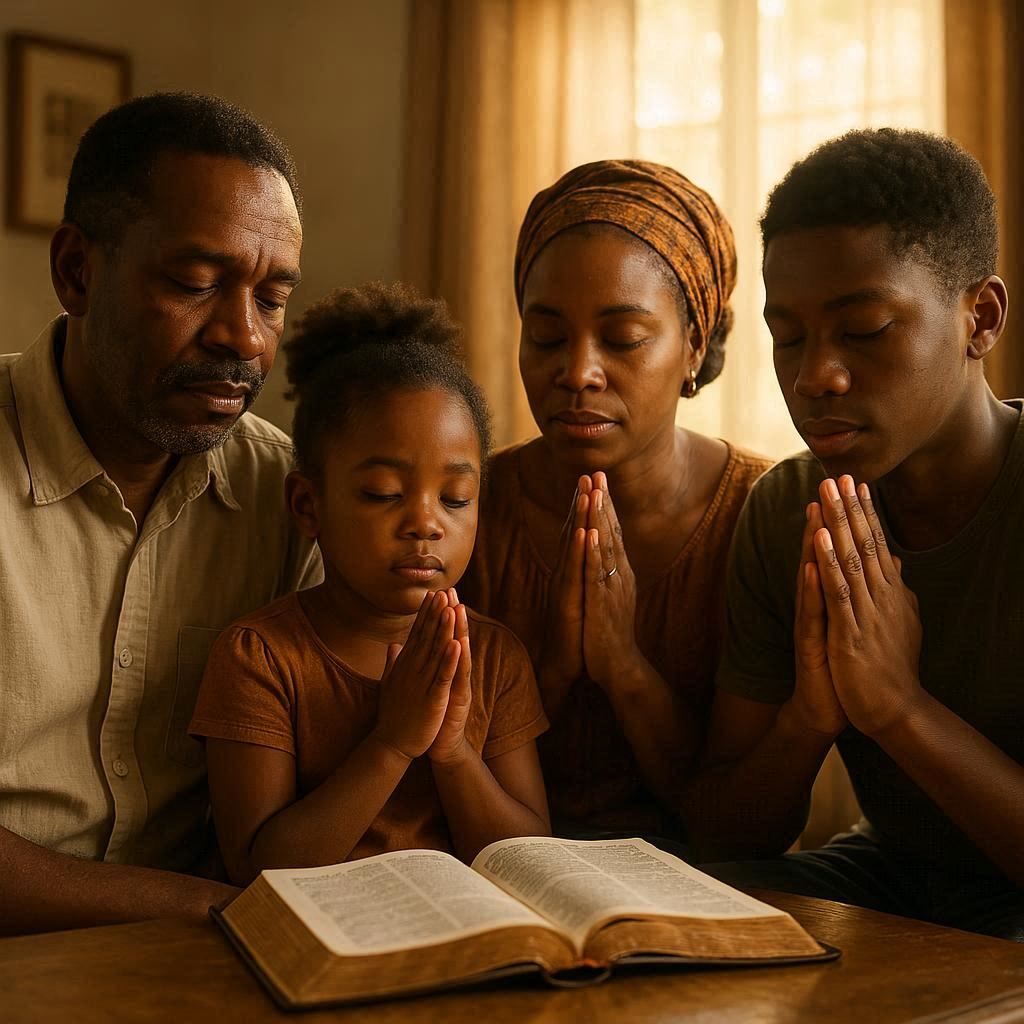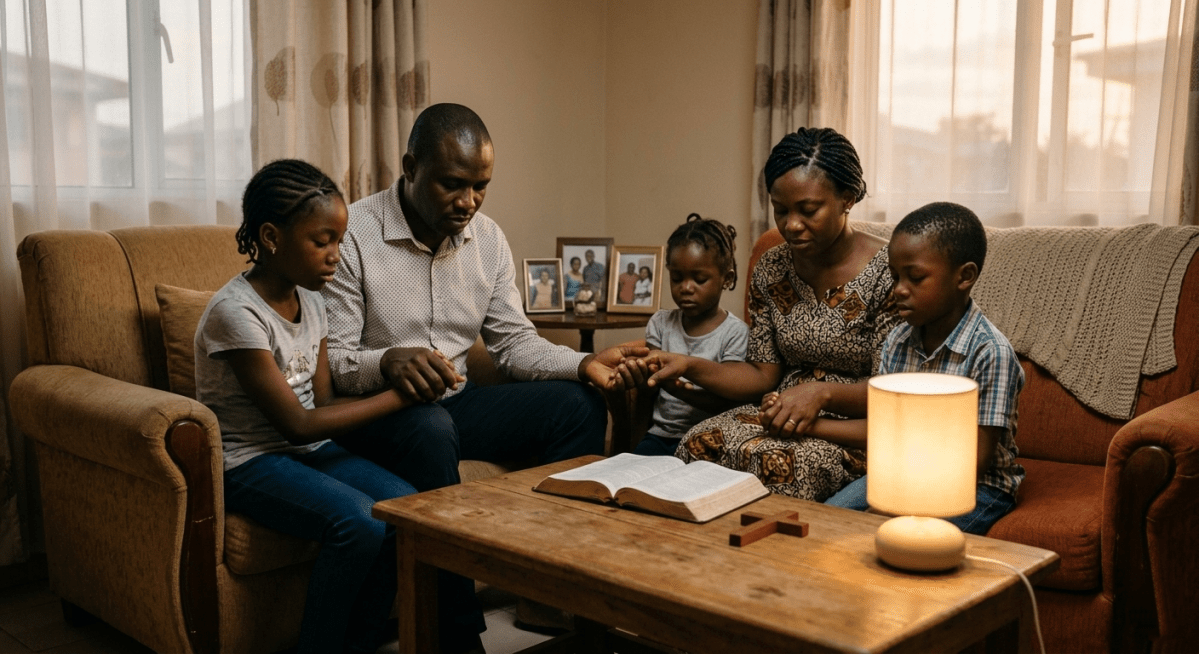
Parenting is one of the greatest responsibilities God gives to us. It is a calling that requires patience, wisdom, grace, and constant dependence on God.
Many parents often wonder if they are doing enough or making the right decisions for their children. But the Bible reminds us that we are not meant to raise children by our own strength.
God invites us to seek His wisdom.
“If any of you lack wisdom, let him ask of God, that giveth to all men liberally, and upbraideth not; and it shall be given him.”
Jesus also assures us that when we seek God sincerely, He answers.
“Ask, and it shall be given you; seek, and ye shall find; knock, and it shall be opened unto you.”
With this promise in mind, let us pray for ourselves as parents and for the precious children God has entrusted into our care.
Prayer for Parents: Grace and Empowerment
Heavenly Father,
We thank You for the gift of children. They are blessings from You and a responsibility we do not take lightly.
Lord, we acknowledge that raising godly children requires more than human wisdom. We need Your grace, Your strength, and Your guidance.
Give us patience when parenting becomes difficult. Grant us understanding hearts so we can guide our children with love and wisdom.
Help us to live as examples of faith, humility, kindness, and obedience to Your Word.
Let our homes be places where Your truth is taught, Your love is demonstrated, and Your presence is felt.
Empower us by Your Spirit to raise children who will love You and walk in Your ways.
Prayer for Our Children: Purpose and Direction
Father, we commit our children into Your hands.
You created them with a purpose, and we ask that their lives will unfold according to Your divine plan.
Help them grow to know You personally and develop a deep love for Your Word.
Give them the desire to read the Scriptures, understand Your truth, and practice Your will in their daily lives.
Protect their hearts and minds from harmful influences and lead them into paths of righteousness.
May they grow in wisdom, character, faith, and compassion.
Prayer for Wisdom in Parenting
Lord, Your Word tells us that if we lack wisdom, we should ask You.
Today we ask for wisdom in every parenting decision we make.
Teach us how to correct with love, instruct with patience, and guide our children in truth.
When we are confused or uncertain, remind us to seek You first.
Let our parenting reflect Your wisdom and not simply our emotions or fears.
Personal Supplication
Father, we also bring our personal needs before You.
You know every concern in our hearts, every challenge within our homes, and every silent prayer we carry.
We ask for Your help in every area of our lives.
Give us strength where we are weak, peace where there is worry, and hope where there is uncertainty.
We trust that as we ask, seek, and knock, You will answer according to Your perfect will.
Lord, we surrender our families into Your hands.
Guide us as parents.
Protect and direct our children.
Let our homes be places where Your Word is loved, Your presence is honored, and Your purpose is fulfilled.
In Jesus’ name,
Amen.
Encouragement for Parents
If you are a parent reading this today, remember that you are not alone. God cares deeply about your family and is always ready to guide you.
Continue to pray for your children, teach them God’s Word, and trust God with their future.
Read More Christian Parenting Resources
If this prayer encouraged you, you can read more articles about raising godly children here:
https://godlyparentingtips.family.blog
Share this article with another parent who may need encouragement today.
A Short Prayer of Salvation
If you have not yet received Jesus Christ as your Lord and Savior, you can begin that relationship today.
I believe You died for my sins and rose again.
Please forgive my sins and come into my life.
Be my Lord and Savior from today.
Help me walk in Your ways and live according to Your Word.
In Jesus’ name, Amen.
If you prayed this prayer sincerely, the Bible says:
“Therefore if any man be in Christ, he is a new creature: old things are passed away; behold, all things are become new.”
Welcome to the family of God.